For procurement teams, distributors and private-label brands sourcing in China, JFStarter provides certified 12V jump starters engineered for safety, repeatability and export compliance. Each OEM/ODM order includes verifiable QC and third‑party lab documentation (UN38.3, CE, RoHS, MSDS) so you can scale without regulatory surprises. This page summarizes product specs, certification expectations, QC report content, OEM capabilities, commercial terms and immediate next steps.
Product snapshot — what buyers need to see first
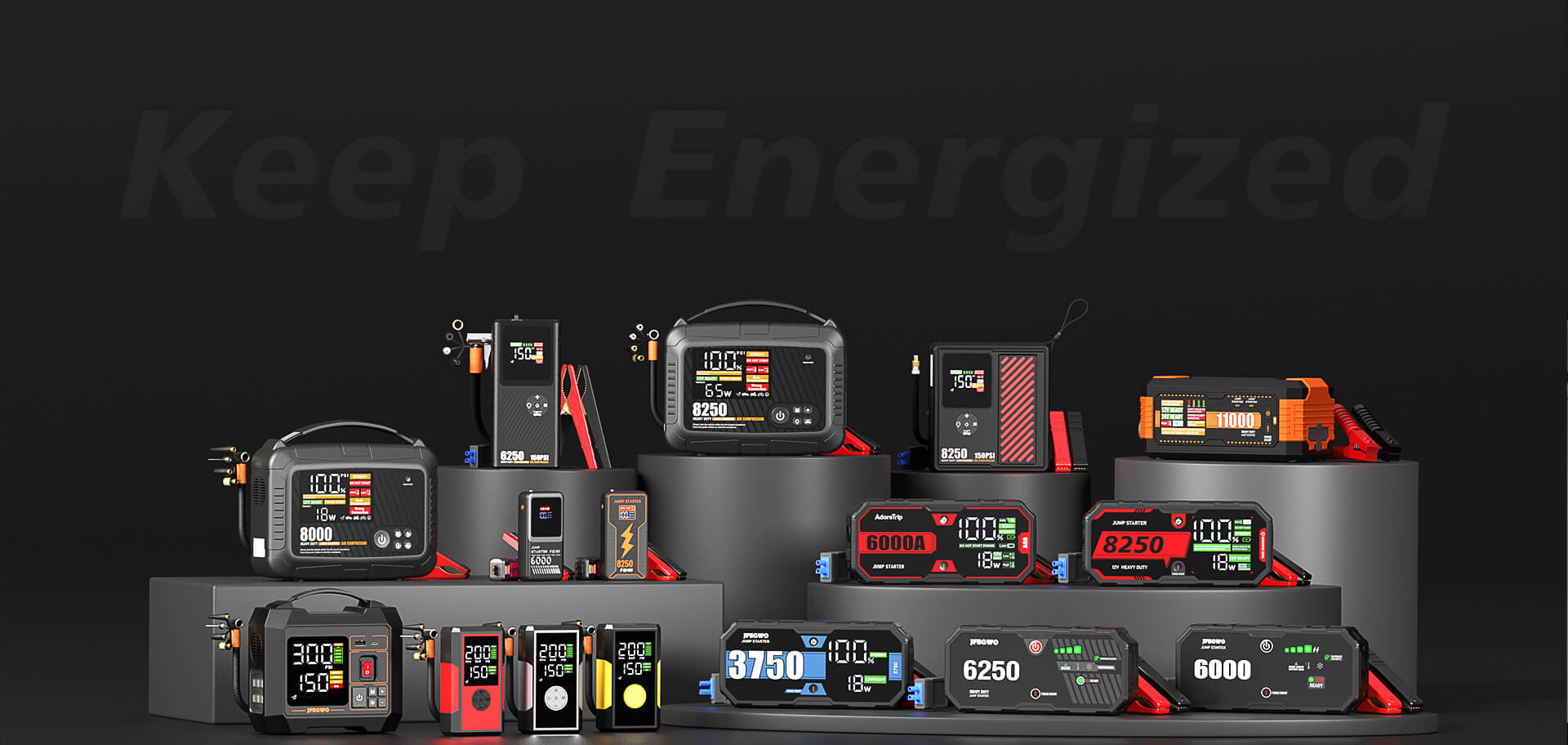
Core platform: certified 12V nominal lithium battery pack with BMS.
Performance ranges: 8,000–20,000 mAh (96–240 Wh), 1,000–3,000 A peak current, 300–600 A cranking current.
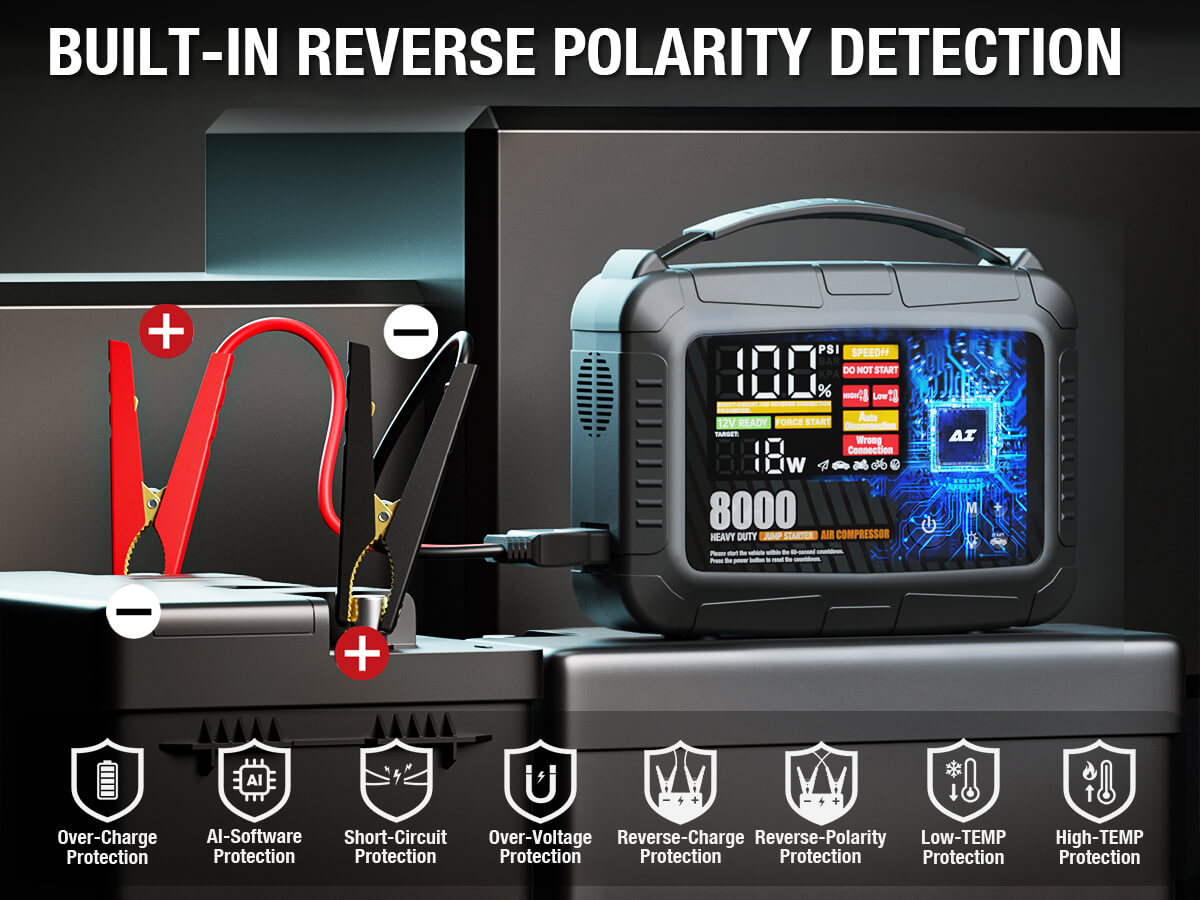
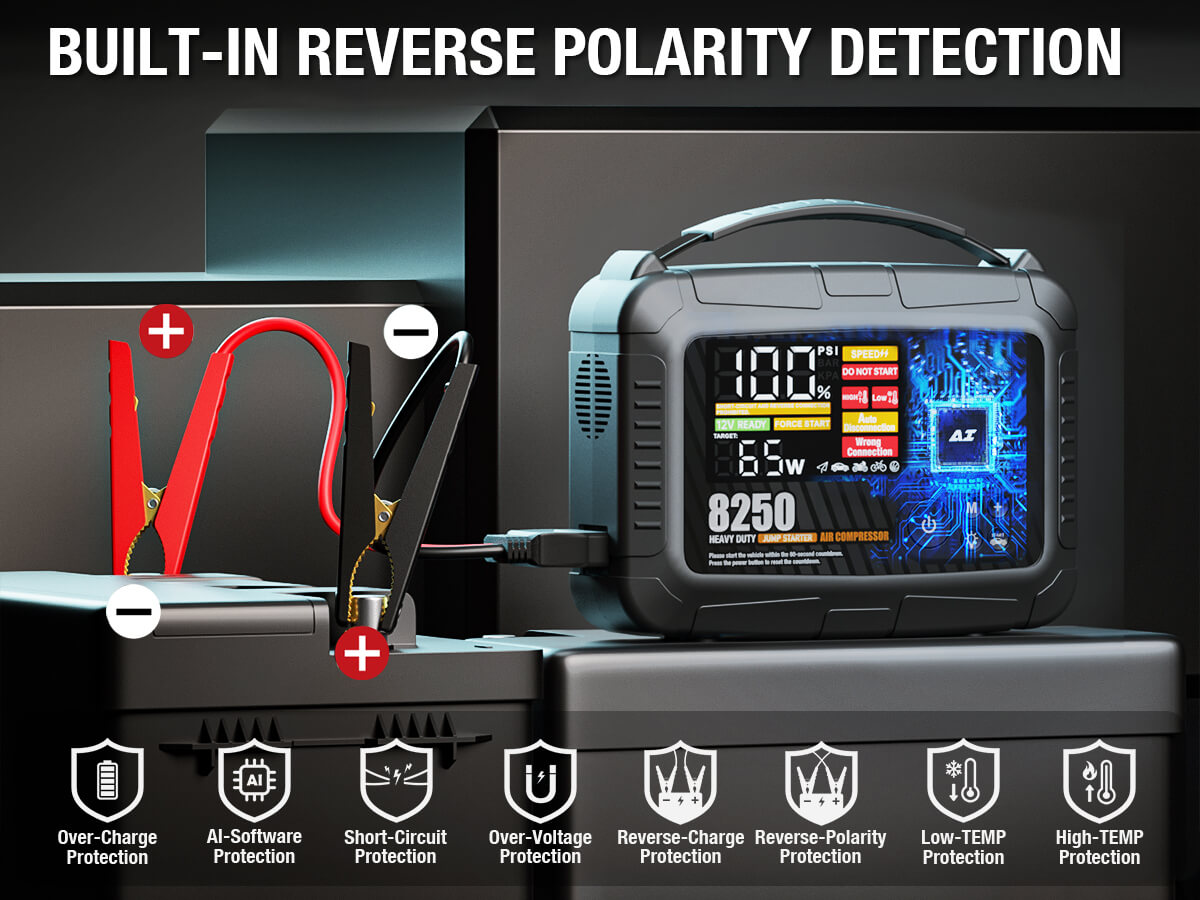
Key safety features: reverse‑polarity protection, short‑circuit cutoff, over‑current and thermal protections.
Peripherals: USB‑C PD (45–65 W), built‑in LED worklight, waterproofing to IP54–IP65 (model dependent).
Form factors: glovebox size (0.6–1.2 kg) to heavy‑duty pro packs.
Present these specs in an easy-to-scan table on the product page and highlight the primary keyword "certified 12V jump starters" in the first paragraph.
Certifications & QC reports — the trust backbone
B2B buyers must verify both certificates and test evidence. Required documents for reliable sourcing: UN38.3 (transport), IEC/EN 62133 or manufacturer cell compliance, CE, RoHS, MSDS, and independent lab test reports from SGS/Intertek/TÜV. For automotive customers request ISO9001 or IATF16949 and PPAP documentation. A useful QC pack includes: certificate copies, batch UN38.3 test summary, MSDS, serial-numbered test logs, sample photos, and the testing lab name/signature.
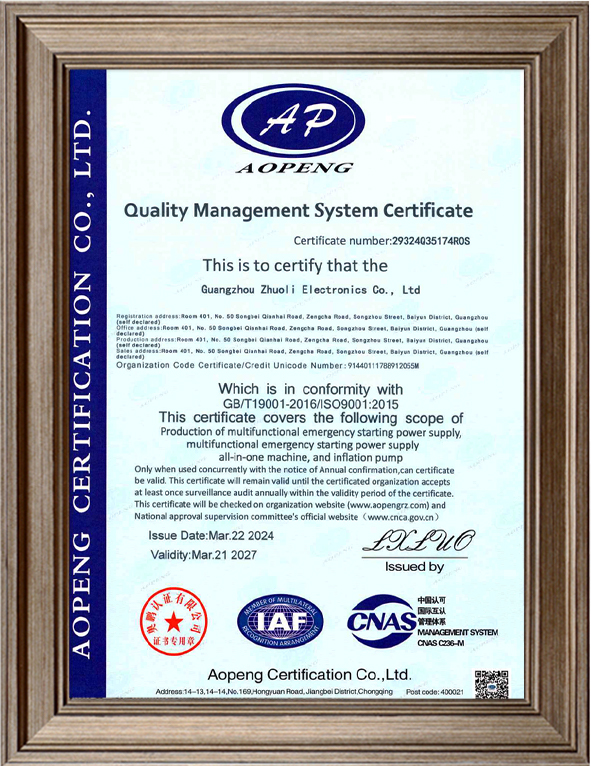
QC & testing — what a robust report contains
A defensible QC report should include:
- Identification: model, serial numbers, production batch, test dates.
- Electrical tests: measured peak current, cranking current, internal resistance, short-circuit protection response times.
- Battery safety tests: UN38.3 itemized results (thermal, vibration, shock, external short circuit, impact/nail test), overcharge and overdischarge tests, cycle life (≥1,000 cycles to ≤80% capacity for claimed chemistries).
- Mechanical/environmental: drop test, vibration, humidity, salt spray if marketed for marine/ATV use.
- Acceptance criteria and AQL value used; tester name and equipment references.
- Require test photo evidence and a downloadable PDF signed by the testing lab. Provide the QC pack behind a lead capture to ensure traceability.
-
OEM & ODM capabilities — what to confirm with suppliers
Ask concrete, measurable questions:
- Capacity & lead time: units/month, typical lead time for prototypes, tooling and mass runs.
- Customization scope: logo printing (silk/UV), color tooling cost, manual languages, BMS firmware parameter changes.
- Battery sourcing: cell make/model, cell testing records, availability of LiFePO4 vs Li‑
- NPI flow: CAD review → prototype → pilot run → mass production with sample sign-off gates.
- Quantify tooling costs and timelines (e.g., USD 5k–7k, 15–30 days) and include unit pricing increments for branding/packaging.
Supplier vetting checklist (quick)
- Request: factory license, ISO/IATF certificate, UN38.3 and other test PDFs, recent production photos.
- Verify: third-party lab names on certificates; cross-check with lab databases if needed.
- Inspect: BMS test benches, battery aging ovens, drop rigs (virtual or on-site).
- Use third-party inspections for first large orders (SGS/Intertek/BV).
- Red flags: refusal to share lab names, missing MSDS, quoted lead times below minimum manufacturing reality.
Pricing, MOQ & lead times (indicative)
- Indicative FOB China price bands: basic 8,000 mAh 15–25; mid-range 12,000–15,000 mAh 22–35; high‑capacity or LiFePO4 pro units 35–
- MOQ: typically 300–2,000 depending on customization; private‑label minima commonly 500+ units.
- Lead times: samples 5–14 days; tooling 15–45 days; mass production 30–60 days. Always verify current raw‑material impacts.
Packaging, shipping & DG compliance
- Use UN‑approved packaging and clear labeling for lithium batteries (UN3480/UN3090 guidance). Provide UN38.3 summary, MSDS, and battery declaration for carriers.
- Recommend FOB for initial orders; once supplier trust is built consider CIF/CPT terms. Confirm carrier acceptance for air vs sea; large battery shipments often require special handling and documentation.
Conversion & trust elements for the product page
- Assets to include: downloadable QC pack (gated), certification badge gallery, 60–90s lab test video, factory photos, and clear CTAs: “Request Quote & QC Pack” and “Order Sample & Watch Test”.
- Place primary CTA above the fold, after specs, and following the QC section. Capture company name, expected annual volume and required certifications on the lead form to prioritize responses.
Outreach recommendations & next steps
- Listing channels: Alibaba Gold Supplier, Global Sources, Made‑in‑China, 1688 for local sourcing; LinkedIn outreach to procurement managers for direct B2B contacts.
- Attend relevant trade shows (Automechanika Shanghai, Canton Fair) and arrange third‑party checks for on‑site verification.
- Immediate next step: request the supplier’s latest QC pack and a video of a live cranking test; require lab names and serialized test logs before placing a sample order.
